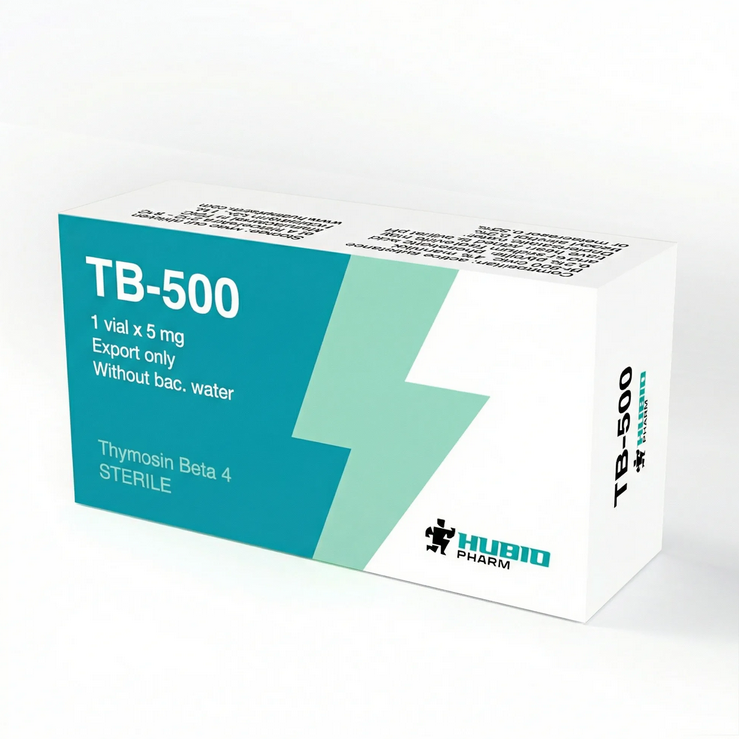
TB-500 Dosage for Bodybuilders: The Complete Guide to Recovery, Healing, and Performance
Introduction: Why Faster Recovery Matters
In bodybuilding, one reality remains constant: injuries can derail progress faster than anything else. You may have the perfect nutrition plan, a structured training program, and a premium supplement stack, but a torn rotator cuff, strained chest muscle, or chronic tendon injury can bring your momentum to a complete stop.
For decades, athletes have relied on rest, ice therapy, and anti-inflammatory medications to manage injuries. While these approaches can help reduce discomfort, they often focus on symptom relief rather than supporting the body's natural repair processes.
This is where TB-500 has gained significant attention within the bodybuilding and fitness community.
TB-500, a synthetic peptide derived from Thymosin Beta-4, is neither a copyright nor a hormone. Instead, it is widely recognized for its potential role in supporting soft-tissue recovery, reducing inflammation, improving mobility, and accelerating the healing process. For bodybuilders, that means less time sidelined and more time training effectively.
In this comprehensive guide, we'll explore:
✅ What TB-500 is and how it works
✅ Recommended TB-500 dosage protocols used by bodybuilders
✅ Training strategies while recovering from injury
✅ Cycle recommendations and stacking options
✅ Nutrition and recovery practices that may maximize results
✅ Potential risks, side effects, and legal considerations
If you're looking to understand how TB-500 fits into a recovery-focused bodybuilding program, this guide covers everything you need to know.
Chapter 1: What Is TB-500? Understanding the Science Behind Recovery
Before discussing dosage protocols and training recommendations, it's important to understand exactly what TB-500 is and why it has become so popular among athletes and bodybuilders.
The Origins of TB-500
TB-500 is a synthetic peptide modeled after a naturally occurring protein known as Thymosin Beta-4 (Tβ4).
This protein exists throughout the human body and plays an important role in several biological functions, including:
Tissue repair
Wound healing
Inflammation regulation
Cell movement and regeneration
The TB-500 peptide is derived from the active portion of Thymosin Beta-4 and was developed to capture many of the regenerative properties associated with the naturally occurring protein.
One of the characteristics that makes TB-500 unique is its ability to move efficiently throughout the body. After administration, it is believed to travel through tissues and potentially support areas undergoing stress, damage, or recovery.
How TB-500 Works
Bodybuilders and athletes are primarily interested in TB-500 because of three key mechanisms that may contribute to recovery and tissue repair.
1. Enhanced Cell Migration and Tissue Repair
TB-500 influences a protein called actin, which plays a vital role in cellular structure and movement.
By supporting actin regulation, TB-500 may encourage repair cells such as fibroblasts and endothelial cells to move more efficiently toward damaged tissue. This process is considered one of the primary reasons the peptide is associated with accelerated recovery.
2. Increased Blood Vessel Formation (Angiogenesis)
Many connective tissues, including tendons and ligaments, have limited blood supply. This lack of circulation is one reason injuries in these areas often take a long time to heal.
TB-500 has been linked to angiogenesis, the formation of new blood vessels and capillaries.
Improved blood flow may help deliver:
Oxygen
Nutrients
Growth factors
Repair compounds
to injured tissues more effectively, potentially supporting the healing process.
3. Inflammation Management and Reduced Scar Tissue Formation
Persistent inflammation can limit mobility, cause discomfort, and slow recovery.
TB-500 is often valued for its potential anti-inflammatory properties, which may help the body regulate inflammation more efficiently. In addition, it has been studied for its possible role in reducing excessive scar tissue formation.
For athletes, this may translate to:
Better get more info flexibility
Improved mobility
Healthier connective tissue
Reduced long-term stiffness
TB-500 vs. BPC-157: Understanding the Difference
TB-500 is frequently compared with BPC-157, another peptide popular among athletes.
While both are often discussed in recovery circles, they are generally viewed as serving slightly different purposes.
TB-500 is commonly associated with:
Whole-body recovery support
Muscle healing
Mobility improvement
Systemic effects throughout the body
BPC-157 is often associated with:
Localized injury support
Tendon recovery
Ligament healing
Gastrointestinal health
Because of these differences, many experienced users choose to combine the two peptides in an attempt to create a broader recovery strategy.